
simplysee.me by Vanja
  • Home
  • SEO & website Management Services
  • Bergamo Alps Energy
  • Balkan Essence
  • Contact
Author

Vanja

Vanja

In my brain tradition meets innovation, East meets West, analytics meets creativity.

zlatni rat beach
Balkan Essence

Zlatni Rat Beach: Expect People, Pebbles, and Beauty

by Vanja 13/03/2025

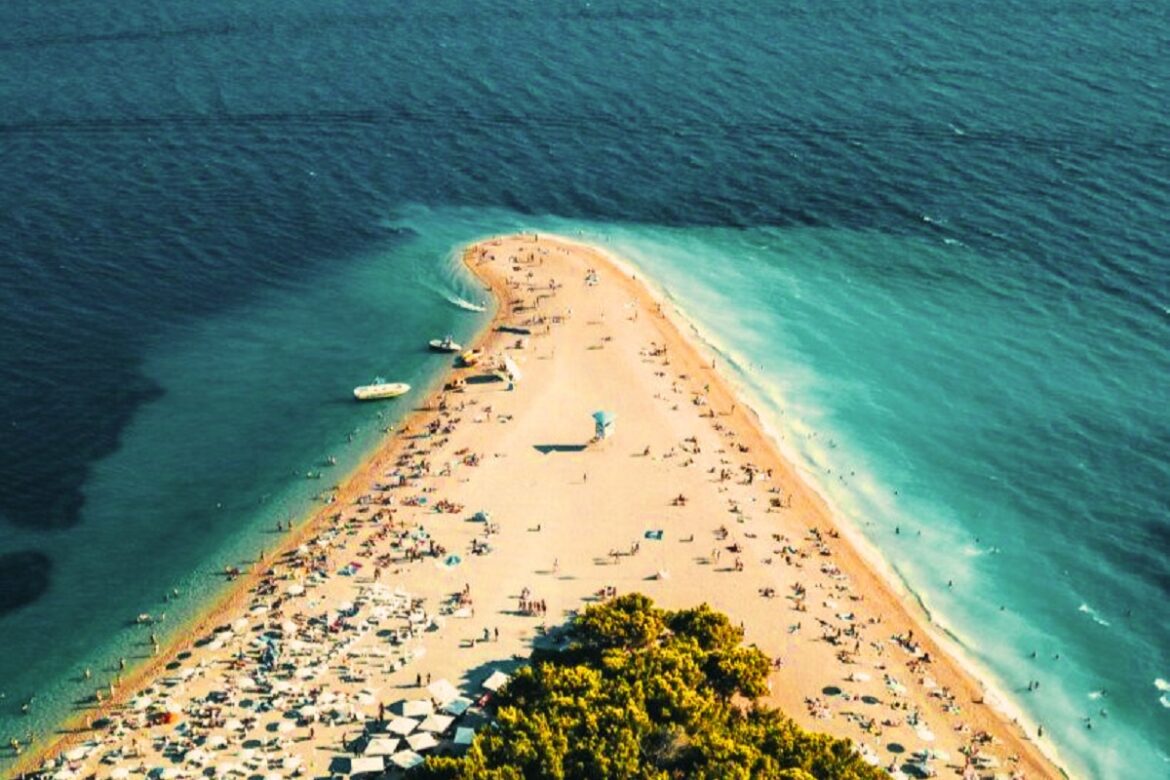
Whenever Croatia is featured in a travel story, chances are you’ll see an aerial shot of Brač Island’s famous Zlatni Rat beach. Its distinctive shape, a narrow strip of land stretching out into the turquoise Adriatic Sea, makes it instantly recognizable, almost like a natural logo for Croatian tourism. It’s the kind of place that feels almost too perfect to be real, often appearing in Best Beaches in the World lists and winning awards for its striking appearance. But what exactly makes it so special?

The magic lies in the beach’s constantly shifting tip. Natural forces like the tides, sea currents, and strong local winds shape its narrow peak. Some days, the point juts out straight into the sea; other days, it bends gently to the left or right. From above, this movement gives the beach a dynamic, almost surreal quality, like a landform caught mid-transformation. It looks less like a typical beach and more like an elegant peninsula reaching out from a dense green forest.

Locally, it’s known as “Zlatni Rat,” which translates to “Golden Cape” or “Golden Horn” but if you translate it too literally from standard Croatian, you might accidentally end up with “Golden War,” which sounds far more dramatic than intended. As a native speaker, I’ve always instinctively used the dialect pronunciation. It wasn’t until recently that it dawned on me that rat also means “war.” Croatian, like most Balkan languages, is a tangled and fascinating subject, but that’s a story for another time.

You’ve probably come across a few travel blogs or social posts about Zlatni Rat beach already, but let’s take a moment to get a few things straight before you set your expectations.

Getting the Facts Straight

First, most of the iconic photos are taken from the air. That dreamy view of a narrow, white spit reaching into the turquoise sea? You won’t get that just by standing on the beach. On the ground, it looks completely different. If you want a view that even comes close, you’ll need to hike up to Vidova Gora, the highest peak on Brač (and actually the tallest of all the Croatian islands). The hike isn’t particularly challenging, and once you’re at the top, the sweeping views of the beach and the surrounding islands are stunning. It’s well worth the effort.

Next, it’s not a sandy beach, it’s covered in pebbles. Some people love the feel of smooth stones under their feet; others, not so much. Just know that the pebbles aren’t going anywhere. On hot days, they heat up fast, and walking barefoot can feel like crossing hot coals. Water shoes may not be glamorous, but they’re practical. And when it comes to sunbathing, either bring a proper mat or rent a sunbed, you’ll thank yourself later.


Zlatni Rat (source: Unsplash)

Keep in mind that this place is far from a hidden gem. It’s one of the most photographed beaches in Croatia, and during peak season, it attracts plenty of visitors. Yet surprisingly, it was ranked as the third least overcrowded beach in Europe, a fact that might seem unexpected given how often it appears in travel guides and floods social media feeds. (Honestly, I don’t even want to imagine how crowded some of the others must be!)

One possible reason is that Brač is an island, accessible only by ferry or water taxi. It’s not the kind of place you just stumble upon. But if you take the time to plan your visit, the island’s laid-back charm and slower pace make the trip more than worth it.

Making the Most of Your Visit to Zlatni Rat Beach

This place is absolutely worth seeing. Mother Nature really outdid herself with this one; it’s one of those rare spots that looks just as stunning in real life as it does in the photos, from the right angle of course. The key to enjoying it, though, is managing your expectations. Yes, it’s beautiful. No, it’s not private, not sandy, and definitely not cheap.

This isn’t the kind of beach you stumble upon without a plan, expecting a peaceful stretch of paradise to yourself. It’s popular, it’s busy, and it comes with a price tag. That doesn’t mean it’s not enjoyable, it just means you’ll enjoy it more if you go in knowing what to expect.

Don’t try to rush your experience here. Let the island set the pace. Brač moves to a slower rhythm, and the beach fits right into that mood. Zlatni Rat is more about soaking in the view, the sun, and the atmosphere than chasing activities or entertainment. If you’re after a high-energy beach day, you might leave frustrated. But if you show up ready to take it slow, sip something cold, and appreciate the scenery, you’ll get it.

And don’t expect to mingle with locals on the beach, they know better. The few you might see are probably working nearby or enjoying their coffee under the pine trees, unbothered and unhurried, following the quiet rhythm of cejf.

Slow Down and Soak It In

So go. See it. Let yourself be impressed. Just do it on island time, with your expectations in check, and you’ll leave with a memory far better than anything a filtered photo can capture.

And if you’re planning a visit and want a local tip or two, feel free to reach out. I’m always happy to help fellow travelers find their way.

13/03/2025 0 comments
0 FacebookTwitterPinterestEmail
organizing content ideas
Blog Management Services

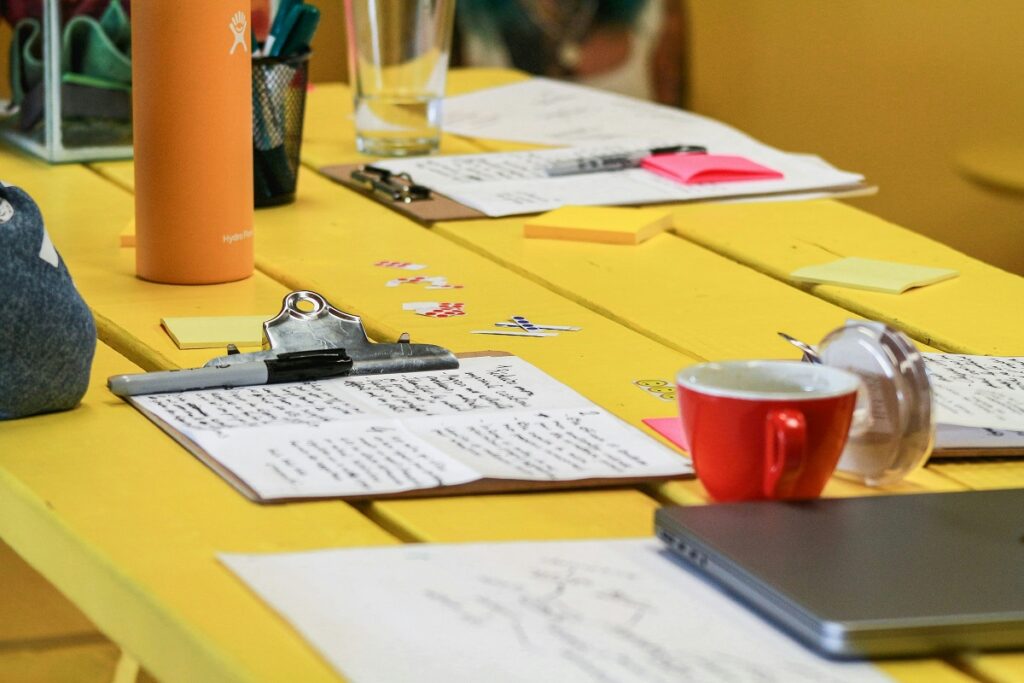
First Content Brainstorming Session: Where to Start and How to Approach It

by Vanja 27/02/2025

Years ago, I panicked, convinced I wouldn’t be able to come up with enough topics to sustain a twice-a-month blogging schedule. The thought of running out of ideas weighed on me, and I stayed stuck on this problem far longer than I’d like to admit. It just seemed impossible. I had plenty of ideas, but they were swirling around in my mind without any clear structure.

Anxiety crept in, making things even worse. I knew I needed to do some content brainstorming, and since I’m a visual thinker, I needed to see all those ideas in front of me. So I grabbed a whiteboard and started writing them down. Ideas started pouring out faster than I could write. One topic led to another, and soon, I was scribbling like a mad scientist, trying to capture everything before it slipped away.

By the end of that frenzied session, I had nearly 100 topic ideas – more than four years’ worth of content! Of course, not every idea was perfect. Some had to be revised, combined, or scrapped entirely. But hey, it was a damn good start!

After that experience, I knew I never wanted to put myself in that nerve-wracking situation again. And being me, and always looking for ways to make things more efficient, I made my own process to follow when thinking of a new blog project.

Content Brainstorming: A Practical Approach to Organizing and Refining Ideas

  1. First, I block time on my calendar. Brainstorming can’t be something squeezed in between meetings or random tasks. It’s easy to push it aside when other things take priority, but if I don’t give brainstorming the space it needs, it becomes just another task that feels rushed and incomplete. 
  2. Next, I define the purpose of the session. Is this the first brainstorming session for a new project, or am I building on something that’s already in motion? If it’s the first session, I let things flow freely, with minimal constraints. As I refine the process I’ll structure sessions around more specific goals, like a niche, a particular campaign, or an overarching theme. 
  3. Then, I choose a brainstorming method. Different approaches work for different situations with some of my favorites being:
  • Mind Mapping: Starting with a broad topic and branching out into subtopics.
  • Free Writing: Setting a timer for 10 minutes and jotting down anything that comes to mind – no filtering, just pure free flow.
  • Question-Based Approach: Using “Who, What, Where, When, Why, and How” to spark fresh angles.
  1. Once I have a solid list of ideas, I take the time to expand and refine them. I group similar topics, eliminate weak or repetitive ideas, and look for content gaps that could be filled with fresh perspectives. Sometimes, an idea that seemed lackluster at first gains clarity when combined with another one.
  2. Finally, I organize and prioritize. Each idea gets tested against key questions based on the first steps planning previously done: Will this move me closer to my goal? Will my audience care? Does it fit the content format they prefer? Should it be a standalone post, part of a series, or something bigger?

content brainstorming session

Capturing Content Ideas: Focusing on Storytelling and Personal Insights Before the Research 

As you can see, I’m not talking about tools, keyword research, competitor analysis, or tracking metrics – at least not at this stage. Those things absolutely matter, and there’s a time for them. But for me, the first step is simply getting the ideas out of my head. My mind is already filled with potential topics; the challenge isn’t coming up with them, it’s capturing them in a way that makes sense. Once they’re on paper (or a whiteboard, or a digital doc), I can start spotting patterns, clustering related ideas, uncovering hidden gems, and validating what’s worth pursuing.

At this stage, I focus on personal experience and storytelling. Some of the best content comes from lessons learned, whether through personal or business experiences. What mistakes have I made that others can avoid? What best practices have I stumbled upon that have genuinely made a difference? These real-life insights resonate far more than generic advice pulled from a research report.

Another rich source of ideas comes from inspiration outside my own experiences. What case studies have fascinated me? What expert interviews have I watched or listened to that challenged my thinking? What insights have I gained from conferences or industry events? These moments of learning and discovery are often packed with content potential, but only if I take the time to capture them before they fade.

The key here isn’t to overcomplicate the content brainstorming process with too many technical considerations too soon. First, get the ideas out. Then, refine and organize them. The rest, the research, the validation, the strategy, can come later.

From Content Chaos to a Clear, Strategic Process 

If your ideas feel scattered or your blog’s momentum has stalled, I get it – I’ve been there. Let’s talk about how I can help bring clarity and structure to your content process, so your blog actually supports your business instead of draining your time.

27/02/2025 0 comments
0 FacebookTwitterPinterestEmail
ferry ride to monte isola
Bergamo Alps Energy

Monte Isola: Lake Iseo’s Quiet Little Surprise

by Vanja 20/02/2025

Have you ever heard of Monte Isola? You’ve probably seen it if you’ve visited lake Iseo, but I have to admit that it took me a couple of trips before I realized there was actually an inhabited island right in the middle of the lake, complete with small villages, winding paths, and people who live there year-round. It’s easy to miss at first glance, especially if you’re focused on the lake views or the surrounding mountains as it almost blends in, like an extension of the hills around it. What makes it even more surprising is that it holds the title of the largest lake island in Europe. Yet despite that impressive claim, it doesn’t feel grand or overwhelming. Instead, it’s one of those places where time seems to move slower, inviting you to take a deep breath and enjoy the quiet, simple rhythm of island life.

Monte Isola (literal translation: Mountain Island!) might only cover about 4.5 square kilometers, but it packs a lot of charm into that small space, along with around 1,700 residents who are lucky enough to call this peaceful island home. It rises rather dramatically out of lake Iseo, like a green mountain that forgot it was supposed to stay underwater. At the very top, 600 meters above the lake, sits the Sanctuary of the Madonna della Ceriola, a peaceful perch with a front-row seat to the lake below. 

A Quick Ferry Ride to a Slower World

Ferries to Monte Isola run regularly from towns all around lake Iseo. The most convenient (or better yet, the shortest) crossing is from the small town of Sulzano. The ride takes just a few minutes, barely enough time to snap a photo before you’re already stepping onto the island. And yet, despite the short trip, it feels like you’ve landed in a completely different world. The pace slows, the noise fades, and suddenly you’re in a place where life moves one step at a time, and usually on foot.

Why on foot? Because there are no cars. None. Ok, just a local minibus, a few small service vehicles, and plenty of mopeds. The main road loops around the island, connecting a handful of small villages, and it’s easy to walk or bike without constantly checking over your shoulder for traffic. That said, it’s still Italy so do keep a half an eye out for the occasional Vespa kamikaze.

On the island, you’ll find a few restaurants, gelato spots, and shops selling olive oil and handmade fishing nets. Nothing flashy, nothing trying too hard – just the kind of place where you can sit down for a coffee and somehow stay for an hour, watching the lake do its thing.


view from monte isola to loreto
View from Monte Isola to Loreto (source: private archive)

Around the Island in 3 to 4 Hours (Give or Take a Snack Break)

Hiking around Monte Isola is a perfect way to take in the island’s charm without breaking a sweat (unless you’re the overachiever type who actually wants to hike up the mountain). The trail that loops around the island is about 9 kilometers long, making it a manageable walk for most people, with just a few spots where your calves might gently remind you they exist. The route mostly hugs the shoreline, offering stunning views of lake Iseo, and it’s easy to follow. Along the way, you’ll also catch glimpses of the smaller surrounding islands, like the tiny San Paolo or Loreto islands, who sit just off the coast looking like something straight out of a fairy tale. The full loop takes about 3 to 4 hours, depending on your pace, and how often you stop to admire the view (which will probably be often – speaking from experience).

This island has a long history of traditional crafts, especially net-making and fishing, which might explain why being there feels oddly like visiting a seaside village, minus the actual sea. Or maybe that’s just me. I had the same feeling when visiting Selvino. At least here you’ll see fishing boats bobbing near the shore and locals repairing nets like they’ve been doing for generations.

As you stroll, you’ll pass through several small villages, each with its own relaxed character. Near one of them, there’s even a cat sanctuary. If you’re a cat person like me, prepare to be completely ignored by the feline residents. They’re so well looked after, they’ll barely glance your way. But bring a few treats, and you might earn a distant slow blink or even a rare cuddle.

Monte Isola: Come for the Views, Stay for the Oil (and Maybe a House)

Living by a lake already feels like living on a different planet, but imagine living on an island in the middle of that lake. That’s not just another planet, that’s a whole different dimension. No wonder that after my first visit I couldn’t stop talking or thinking about it. I even started floating the idea of getting a weekend house there – looked up options, prices and all.

Also, don’t forget your wallet, and a backpack. The island’s hills are covered in olive trees, basking in the sun and producing some seriously good olive oil. Not the kind you nervously drizzle on salad but the kind you want to sip straight from the bottle. I met people hiking down the hills with five-liter canisters in their bags! When the olive oil is good enough to haul uphill and downhill like sacred cargo, you know it’s the real deal.

Bergamo Alps Energy Newsletter


Stories, trails, and a few little local details, delivered every now and then.

You can unsubscribe anytime. For more details, review the Privacy Policy.

You’re in!


Thanks for subscribing. Looking forward to sharing stories, trails, and a little bit of the Bergamo Alps with you soon.

Need a Nudge, or a Route?

Thinking about visiting? Let me know how it goes – or if you’re still deciding, feel free to  get in touch. I’m always happy to share tips, practical info, or just help you justify hauling five liters of olive oil home. And if slow adventures like this are your thing, I sometimes share more quiet routes and favorite local spots through my newsletter above – nothing spammy, just the occasional note with something worth wandering for.

20/02/2025 0 comments
0 FacebookTwitterPinterestEmail
cejf the balkan way
Balkan Essence

Ćejf: The Balkan Art of Doing Nothing (and Loving Every Second of It)

by Vanja 13/02/2025

While in the West everything is sacrificed at the altar of usefulness and productivity, where even rest has to be “scheduled” and “optimized”, we in the East like to do things a bit differently. Our guiding philosophy is ćejf (pronounced “cheyf”), and yes, we even turned it into a verb: ćejfiti. That’s how serious we are about not taking things seriously. I’ll call a friend and ask, “What are you doing?” and if the reply is “ćejfim,” I know I called at the wrong time. That person is busy – busy being not busy.

There’s no real English equivalent for this word, which is already a sign that the concept might short-circuit the average overachiever’s brain. The closest translation might be: “the deep, soul-nourishing enjoyment of doing absolutely nothing productive whatsoever.” But even that doesn’t quite capture it. 

Ćejf is sitting on your balcony with a tiny cup of strong coffee, not because you need caffeine, but because it’s a sacred ritual. It’s reading the newspaper slowly, not skimming headlines for stock updates, but flipping through every page like you’ve got all the time in the world (because you do). It’s watching the world pass by, judging people’s shoes, or having full-blown conversations with your neighbor about the weather, goats, or how tomatoes used to taste better.

Between Sips and Silences: The Rhythm of ćejf

Of course, this being the Balkans, there’s no single definition of ćejf. Everyone defines it for themselves and decides how to do it, because it’s a deeply personal ‘activity’ – though calling staring into oblivion an activity feels like cheating.

Some treat it as a sacred morning ritual, faithfully carried out at one of the countless local coffee bars – the kind of places where the waiter doesn’t ask what you’ll have; he just brings it, because he’s known your coffee order since you were twelve. Despite the familiarity, everyone knows everyone, conversation is minimal. There’s an unspoken agreement: we’re all here, we all exist, but let’s not talk about it just yet. People sit in quiet meditation, barely breathing, wrapped in sacred morning silence, holding newspapers not to read, but to hide behind. The entire scene looks like a coffee-scented still life. No one’s rushing. No one’s planning. It’s a collective moment of mental stretching before the day begins – an ancient practice of psychological warm-up, Balkan-style. Coffee in hand, newspaper in front, eyes half-open… and that’s exactly how it’s meant to be.

Others prefer to ćejfiti in the afternoon. If the morning ćejf is about silent preparation for the chaos of the day, the afternoon version is about recovering from having survived it. Nobody’s checking their emails. Nobody’s writing in planners or listening to productivity podcasts. Instead, they’re watching pigeons fight over breadcrumbs, arguing about soccer matches from three days ago, or just leaning back with that deep, philosophical look that says, “Don’t ask me what I’m thinking about, because I’m not.” And that’s the beauty of it.


cejf my way
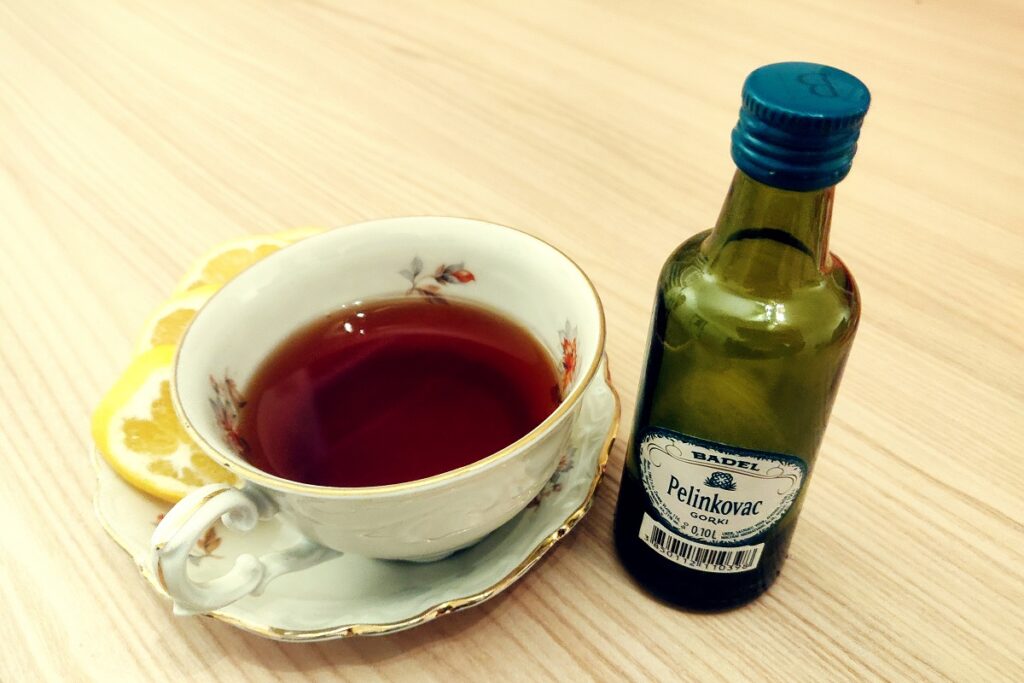
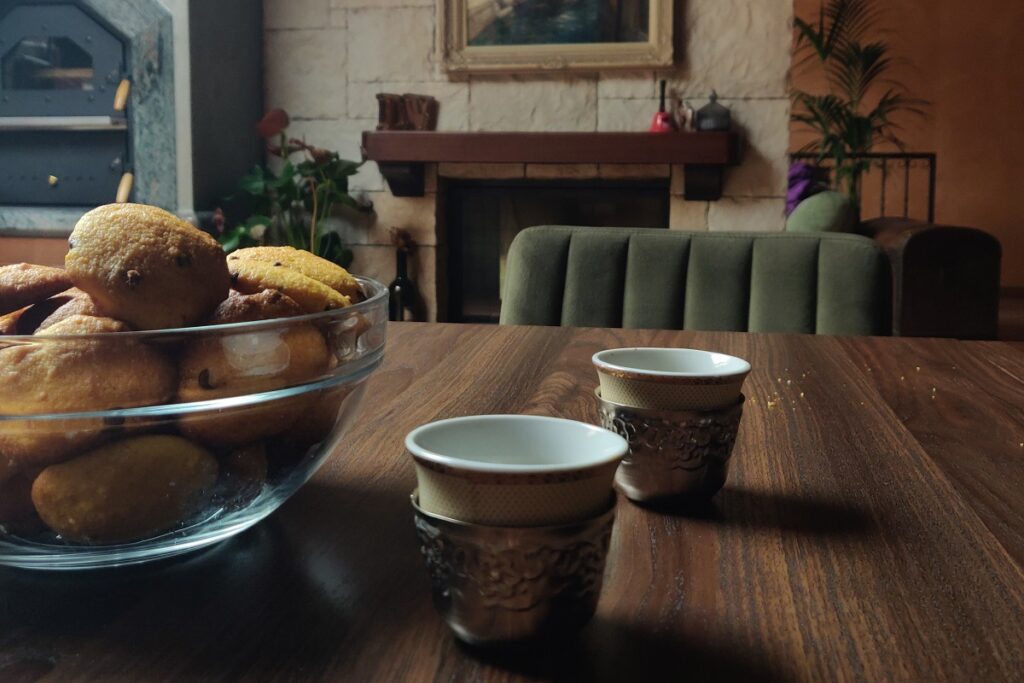
My ćejf? Sipping pelinkovac from an antique teacup. Why? Just because. (Source: private archive)

Pleasure Without Purpose: Why ćejf Is the Pause We All Need

There’s no right or wrong way, or time, to practice ćejf, because it’s all about finding deep satisfaction in small, personal pleasures and rituals. Whether it’s the simple act of sipping your coffee slowly or sitting in silence while the world passes by, ćejf invites you to immerse yourself fully in the present moment. It’s a reminder that happiness doesn’t always come from big accomplishments or grand gestures – it’s often found in the everyday, quiet moments that allow you to reconnect with yourself.

Ćejf is more than just leisure; it’s a state of ultimate relaxation, a practice of embracing idle pleasure without guilt. It’s about slowing down, allowing yourself the space to breathe, to pause, and to enjoy the little things that make life worth living. It’s not about productivity or efficiency; it’s about being present, appreciating the simplicity of life, and taking the time to savor the world around you.

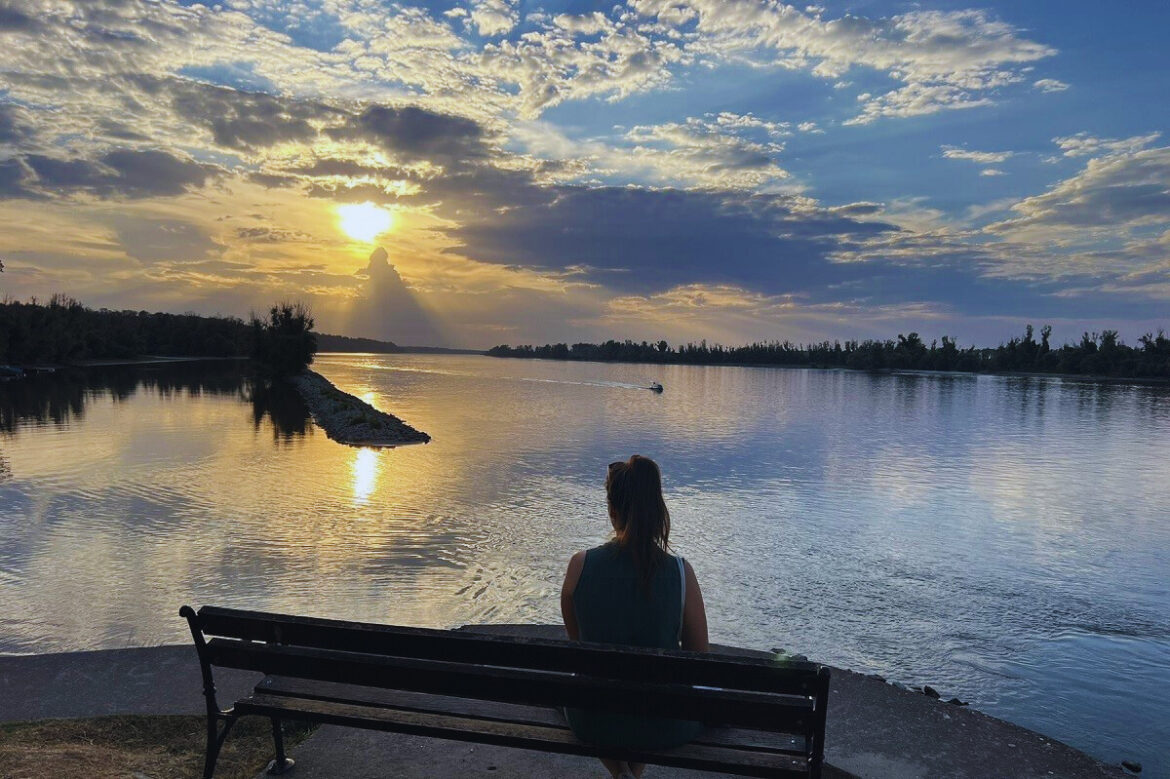
In the Balkans, ćejf offers insight into a culture that values personal contentment above hustle (maybe that explains our, let’s say, relaxed economic output?). It’s a way of life that celebrates the beauty of life’s simplest joys – whether that’s the warmth of a shared conversation, the feeling of the sun on your face, or the comfort of your favorite spot at the river bank. It’s the art of presence without pressure, of pleasure without purpose. And honestly? I think the world could use a lot more ćejf and a lot less hustle, because sometimes, doing nothing is exactly what we need.

Curious About ćejf, and Everything Around It?

If this glimpse into ćejf sparked your curiosity or made you wonder what life here really feels like, don’t hesitate to reach out – whether you’re simply intrigued or thinking of traveling to the region, I’d be glad to share more about its rhythms, rituals, and the quiet moments that make it so unique.

13/02/2025 0 comments
0 FacebookTwitterPinterestEmail
plan steps for consistent blogging
Blog Management Services

Getting Started: Planning the First Steps for a Consistent Blog

by Vanja 23/01/2025

It’s easy to get excited about a new project and start writing and posting immediately, but without a clear plan, maintaining a consistent blog can quickly spiral into chaos – trust me, I’m guilty of the same. I’ve learned from my (many) mistakes and now know there’s groundwork that really needs to happen, a step often overlooked but makes all the difference: an important first-steps planning phase.

Since I don’t like overcomplicating things and prefer setting up systems that make blogging easier in the long run, I follow a simple planning process to keep blogging consistent, strategic, and as stress-free as possible. This process lays the foundation and helps me stay focused, organized, and (most importantly) sane.

Step 1: Defining Goals

Every blog needs a purpose otherwise it’s just random content floating around on the internet. So, before anything else, I make sure to define its goals.

Sometimes, the goals are broad, like:

  • Increasing brand awareness
  • Driving more traffic to the website
  • Generating leads and growing an audience
  • Improving SEO and ranking higher on Google

Other times, they’re much more specific, like:

  • Ranking on the first page of Google for a competitive keyword
  • Selling at least 10 digital products per month (eBooks, courses, templates)
  • Gaining 500 email subscribers in a year
  • Achieving a 5%+ CTR on internal links

No matter the size and the scope of the goal, having it written down keeps everything focused and intentional. Otherwise, it’s too easy to fall into the “let’s just publish something and hope for the best” approach, which almost never works.

Step 2: Identifying the Target Audience

Now that the goals are in place, it’s time to define who the content is for. A blog that tries to speak to everyone usually ends up speaking to no one, so narrowing down the target audience is essential. Understanding who they are, what they care about, and how they consume content helps shape everything from topic selection to writing style.

This means digging into their interests, challenges, and reading preferences. Are they looking for quick, actionable tips or detailed, in-depth guides? Do they prefer structured, step-by-step tutorials, expert analysis, or relatable personal stories? The more clearly the audience is defined, the easier it becomes to craft content that truly connects.

Once the target audience is clear, blogging becomes more intentional. Instead of throwing out content and hoping it sticks, each post is designed to provide value, answer real questions, and encourage readers to return for more. That’s an important part of maintaining a consistent blog – creating content that serves the right audience.


consistent blog plan

Step 3: Selecting Content Types

Once the audience is clear, the next step is understanding the different types of content to use. Each format serves a specific purpose, shaping how information is presented and consumed. Choosing the right mix keeps the blog engaging, informative, and aligned with its overall goals.

How-to guides, tutorials, and infographics are great for educating readers offering clear, step-by-step explanations or breaking down complex topics into digestible visuals. Promotional content, such as product launches or testimonials, provides relevant updates and real-world insights. Interactive formats, like quizzes or polls and surveys, encourage participation, making the blog feel more dynamic and community-driven.

There’s also a balance between evergreen content, which stays valuable over time, and trending topics that capitalize on current interests. Evergreen posts offer long-term value, while timely content keeps the blog fresh and responsive to industry shifts and audience needs.

Step 4: Determining Posting Frequency

With content types in place, the next step is figuring out how often to post. The ideal schedule varies based on resources, goals, and what the audience responds to. Posting too often can lead to burnout or rushed content, while posting too infrequently can cause a loss of momentum.

A general rule of thumb is one to four blog posts per month, but consistency matters more than hitting a specific number. A steady, predictable schedule helps build trust with readers and signals reliability to search engines. If engagement is strong and there’s enough bandwidth, increasing the frequency might be beneficial. On the other hand, if quality starts to dip, scaling back is the better choice.

The goal is to find a rhythm that keeps the blog active without overwhelming the process. A sustainable posting schedule ensures content remains valuable, relevant, and something both the writer and the audience can keep up with.

Step 5: Pivot, Pivot, PIVOT!

Not the Ross Geller kind of pivot, but you get the idea. While it’s crucial to define a blog strategy, it’s just as important to remain flexible. A content plan provides structure, but sticking to it too rigidly can backfire if things aren’t working as expected. Trends shift, audience preferences evolve, and sometimes, what seemed like a great idea at the start just doesn’t gain traction.

Adjusting the approach based on data and feedback is key to keeping a blog relevant and effective. Maybe a certain content type isn’t resonating, or posting frequency needs tweaking. Sometimes, a shift in industry trends calls for a new direction. The best strategies are adaptable, allowing room for experimentation and learning.

A successful blog isn’t just about planning – it’s about evolving. The willingness to pivot when necessary ensures content stays fresh, engaging, and aligned with real audience needs. 

A Consistent Blog: Less Chaos, More Content

Blogging isn’t just about the launch, it’s about keeping the momentum going. It might be tempting to skip these steps, especially if you already have ideas swirling around in your head. But getting them down on paper (or a doc) gives your blog direction and keeps it from turning into a scattered mess of random posts. 

Plus, having a clear plan makes the next step, brainstorming content ideas, so much easier. With a solid foundation in place, you’re ready to start shaping content that not only fits your strategy but also keeps your consistent blog running smoothly in the long run.

You Don’t Have to Do It Alone

If blog consistency feels just out of reach, let’s talk. I help people turn scattered ideas and half-written drafts into steady, sustainable content with room to breathe and space to focus on what they do best. Whether you need a rhythm, a plan, or just someone to keep things moving, I’m here to help.

23/01/2025 0 comments
0 FacebookTwitterPinterestEmail
selvino hike path
Bergamo Alps Energy

Selvino Hike from Bergamo: A Car-Free Day Trip

by Vanja 16/01/2025

If there’s a way to do a hike without a car I’ll take it, especially when it’s as accessible and rewarding as the Selvino hike. Starting right from the center of Bergamo, you can hop on a tram and be on the trail in no time, no traffic or parking worries involved. The hike itself is surprisingly gentle, making it perfect for days when you want to stretch your legs but not push yourself too hard. It’s scenic, peaceful, and connects you to the landscape from the moment you leave the city, a great reminder that not every mountain day needs a car.

Why Selvino?

Selvino is a charming little hill town tucked right between the Seriana and Brembana valleys, like it couldn’t decide which side it liked better. It feels like the unofficial gateway to the Bergamo Alps – close enough to nature to feel wild, but polished enough to still find a clean toilet and a good brioche. It’s a popular weekend escape, and for good reason: panoramic views, crisp mountain air, and that cozy small-town vibe that basically forces you to relax. To me, it’s always felt like one of those seaside towns – just, you know, without the sea. People are strolling around, gelato in hand, as if the Alps are their beach.

Historically, Selvino was a crossroads, and today it’s still connected by a web of trails. One of those paths, unexpectedly chill and pleasantly scenic, starts in Albino. When I first heard about it, I didn’t believe it. I’ve driven up to Selvino often enough to know the altitude isn’t messing around, especially via the twisty, rally-worthy road from Nembro that could give a rollercoaster a complex. So the idea of an easy walk up? I thought it was a myth. But no, it’s real, it’s scenic, and it won’t leave you gasping for air halfway through.

Selvino hike by Trail 550

The starting point for this hike is Bergamo railway station, which is well connected to Milano with frequent trains running daily, even hourly. Just next to it is the TEB station “Bergamo FS”, where you can catch the T1 tram. It’s technically a regional train, but everyone calls it a tram – don’t ask. The T1 runs every 15–20 minutes, and the ride to Albino, the final stop, takes about half an hour.

From the Albino tram station, head through the town toward the Albino–Selvino cable car station. There are a few different routes you can take, but I usually walk through the town center. It’s a good excuse to grab a coffee and a brioche, and it makes the walk a bit more enjoyable. It’s around 1.8 km, or roughly 30 minutes on foot.


selvino hike gem

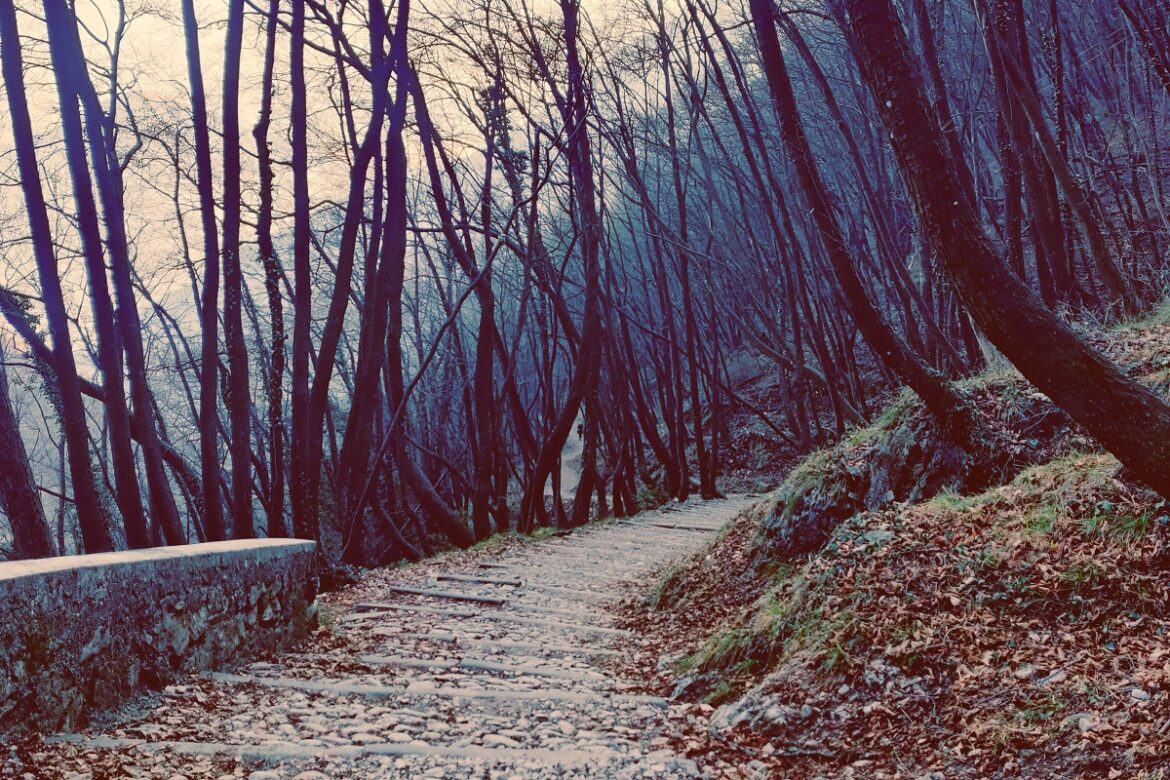
From the cable car station, it’s a short walk through a final residential stretch to reach the Santuario della Madonna della Neve, where the more natural part of trail number 550 begins. From there, you can pretty much turn your brain off. The trail is straightforward, easy to follow, and friendly for beginners. It starts with a gentle incline and maintains a steady, manageable pace as it winds through the woods. It loosely traces the path of the cable car line, but instead of gliding above the trees, you’re walking beneath them, surrounded by birdsong and the occasional soft hum of a cabin passing overhead. It’s peaceful, low-effort, and really just asks you to show up and enjoy the walk.


Reaching Selvino

As you approach Selvino, you’ll arrive on Via Albino, a quiet road that gently winds its way into the heart of town. Just keep heading uphill and you’ll pop out right onto the main pedestrian area near a local bakery that always feels like a well-placed reward after the climb. Definitely stop in for something sweet, you’ve earned it!

The full stretch from the Albino–Selvino cable car station to the town center is under 5 km, making it a great little hike that doesn’t ask too much of you, even when combined with all the walking needed to reach the starting point.

Once you’re in Selvino, it’s all about how you want to spend your time. Personally, I like to find a sunny terrace, order an Aperol Spritz, and sit there doing absolutely nothing, just watching the slow rhythm of people strolling by. But there are plenty of other options, too.

You could extend your hike with trails to Aviatico or Perello, both nearby and offering great experiences. If you’re into history or abandoned places, consider planning a visit to Colonia Siesopoli, though you’ll want to check in advance as visits are scheduled.

There’s also a small adventure park for families, and a few scenic spots just outside town with benches where you can simply sit and enjoy the mountain air. Or, of course, you can just wander, eat, drink, and take it all in. It’s Selvino, you don’t need an agenda.


selvino hike cable car
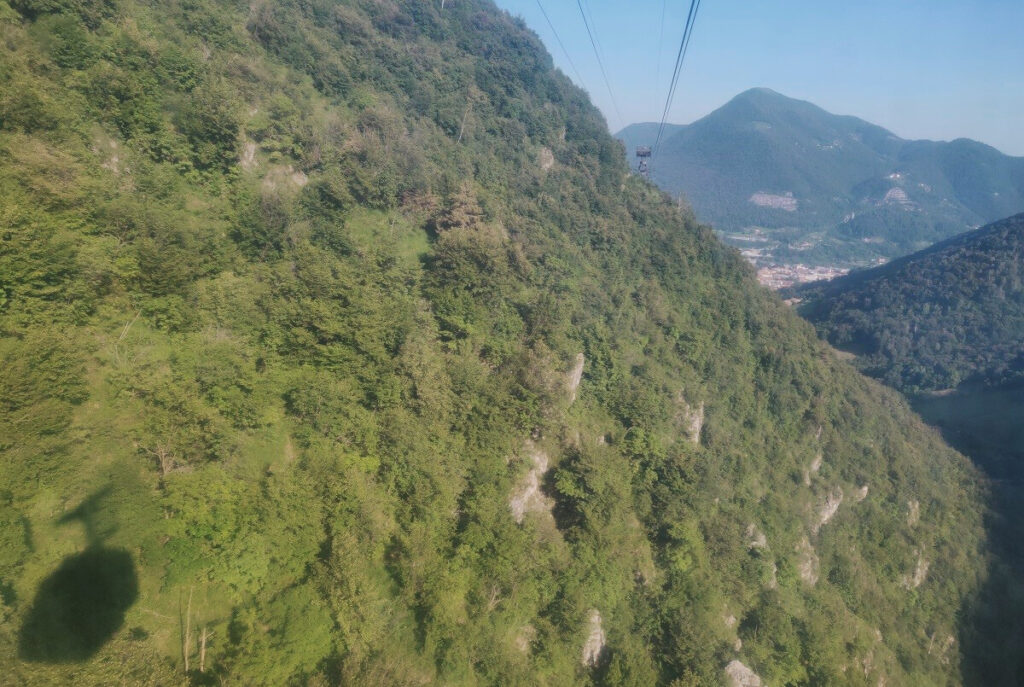
View from the Albino-Selvino cable car (source: private archive)

Getting Back

You’ve made it to the top, enjoyed the views, maybe had a spritz or a sweet treat and now it’s time to wrap up your Selvino hike. The simplest way back is to retrace your steps: follow trail 550 down to Albino and catch the T1 tram to Bergamo. The descent is gentle and shaded, and with gravity on your side, it’s a relaxing finish to the day.

If you’d prefer a bit of variety, consider taking a different route down through Nembro, another town served by the same tram line. The route’s a touch longer, but it’s a good way to see something new without going too far out of the way.

For something even easier (and much more scenic) you can hop on the Albino–Selvino cable car. It glides above the trees, offering sweeping valley views and a relatively peaceful ride back down. I say “relatively” because I have a small panic attack every time the cabin passes a support pole. It creates a brief moment that feels like a free fall. It’s hard to explain the sensation, but trust me, you’ll know it when it happens.

Whichever route you take, the return journey is just as car-free and smooth as the start. One of the best parts of the Selvino hike is how it connects nature with public transport, letting you enjoy the mountains without the hassle of traffic or parking.

Bergamo Alps Energy Newsletter


Stories, trails, and a few little local details, delivered every now and then.

You can unsubscribe anytime. For more details, review the Privacy Policy.

You’re in!


Thanks for subscribing. Looking forward to sharing stories, trails, and a little bit of the Bergamo Alps with you soon.

Like This Trail? There’s Plenty More

If the Selvino hike sounds like your kind of day out, subscribe to the newsletter for more walks and hikes around the Bergamo Alps. From relaxed strolls to more challenging climbs, there’s something for every pace.

16/01/2025 0 comments
0 FacebookTwitterPinterestEmail
Coffee Time In The Balkans
Balkan Essence

Coffee time: a routine, a ritual, or a religion?

by Vanja 09/01/2025

Ah, coffee: the magical black potion, the source of life, the ruler of the walking dead. Okay, enough with coffee praising because even though I just had one, I could definitely go for another cup! It’s no secret that people across the Balkans are devoted coffee drinkers. To be honest, I wasn’t one of them until my early 20s. Until then, I couldn’t understand why coffee time in the afternoon was such a must. I saw it as an unnecessary habit, totally boring, and honestly, a waste of time. Ah, sweet, sweet, innocent child that I was.

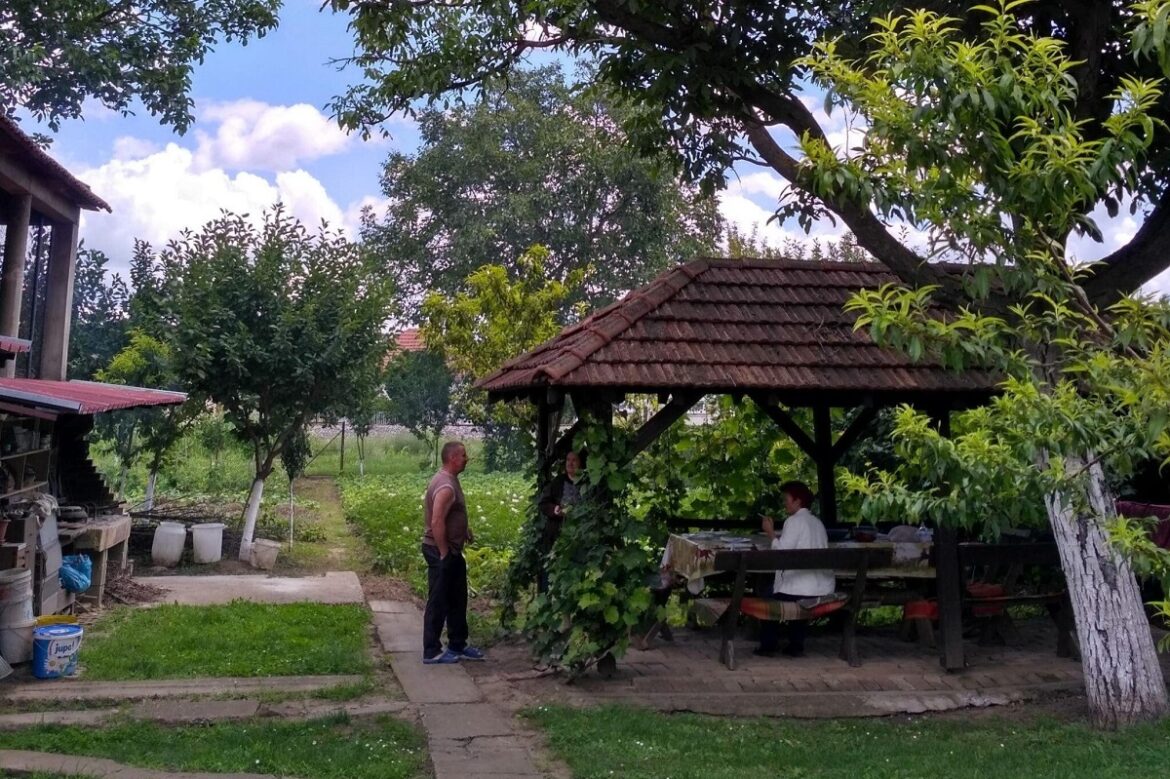
My grandma and her neighbor drink their coffee at 3 or 4 PM, depending on the season, every single day. Over the years, others have joined them in this daily routine. These days, they actually organize their day around coffee time. All the work needs to be done by then, it marks the transition from “getting things done” to “taking it easy.” This hour of coffee preparation, people gathering, drinking, and cleaning up is the backbone of life. You don’t skip it. And if you do, you better have a solid reason. Whatever you do, don’t even think about having your coffee somewhere else if you already have an established group – that’s pure treason! If you do, you better come back with a juicy story to make up for it.

Nothing fancy, just coffee

When I’m at grandma’s, we drink coffee outside in a ramshackle kind of gazebo, more about function than beauty, under a tree, exactly the one you see in the cover photo of this post. She makes what’s known here as Turkish coffee, prepared in a džezva that’s probably older than I am, on an old wood stove. It’s served on a battered platter in mismatched cups. Everyone has their own favorite cup from a different set, chosen to match their personal taste, so the collection is colorful – and definitely not fancy. And just like the cups, the personalities around the table are lively and contrasting (which is a nicer way of saying they’re usually very loud).


Coffee With An Italian

Since moving away from my hometown, I often dream of teleporting into my grandma’s yard just in time for coffee. It’s hard to recreate this ritual abroad without your people. It just doesn’t make sense to anyone else. The photo above shows me and my partner having coffee. He’s not imaginary – he just had his coffee and ran off, while I’m still sitting there, slowly sipping. That’s the difference with Italians: they gulp it down and get on with their day. We, on the other hand, mull over it for a long, long, looong time.

And I get it – they just don’t have the culture of ćejf, that sweet moment of enjoying doing nothing, just existing. I, on the other hand, can’t do what he does. I can’t just gulp boiling hot coffee. I tried, and burned all my internal organs in the process. Nope. I’m sticking to my practice of slow and mindful oblivion.

In the end, coffee time is meant to be shared

But even though coffee sits at the center of the experience, it’s never really about the coffee. It’s about the social need, for both quality and quantity, of time spent with people you love: family, kumovi, and friends.

Some of the best examples of local coffee habits come from stories shared on a regional website that collects true, often hilarious tales. Like the time a girl was woken up at 5:20 in the morning by a neighbor who had run out of sugar and couldn’t stand her coffee bitter. Or the guy who came home at dawn after a night of partying and forgot to put a sign on his door saying “coffee has been canceled,” so his friends showed up anyway – hangover or not. The ritual is so strong, people will knock on your door regardless. In this part of the world, coffee time has practically reached the status of a religion.

I used to ask myself: How do people not get tired of the same old thing: same coffee, same time, same people, day after day? But I’ve since come to realize how deeply entertaining and educational it can be to sit around the table with two or three different generations. You’ll hear everything: random trivia, passionate opinions, and some surprisingly solid wisdom. 

And there’s truly nothing sweeter than grandma’s coffee, and I don’t mean that figuratively. Even when she insists she didn’t add sugar, she did. Her motto? “If life is bitter, the coffee doesn’t have to be.”

Exploring the Region, Near or Far? Let’s Connect.

Whether you’re mapping out a trip or just daydreaming, I’m happy to offer insight, ideas, or just a good local story. Curious about something specific? Drop me a note through the Contact page and let’s keep the conversation going – maybe even over a cup of coffee (wink, wink).

09/01/2025 0 comments
0 FacebookTwitterPinterestEmail
  • 1
  • 2

About Me

About Me

Anchored & Exploring

I manage blogs, roam both outdoors and online worlds, and tell stories - slow, honest, and rooted in real life.

Blog Management Services Posts

  • The Importance of a Consistent Blog Voice

    22/05/2025
  • Outsourcing Blog Management: Is It Worth the Investment?

    24/04/2025
  • Your Ideas Are Ready – Now It’s Time for Keyword Research

    27/03/2025
  • First Content Brainstorming Session: Where to Start and How to Approach It

    27/02/2025
  • Getting Started: Planning the First Steps for a Consistent Blog

    23/01/2025

Bergamo Alps Energy Posts

  • Spa experiences in Lombardy: Where Relaxation Meets Chaos

    19/06/2025
  • Is visiting San Pellegrino Terme worth the drive?

    15/05/2025
  • Cascate del Serio: The Waterfall That Only Shows Up Five Times a Year

    17/04/2025
  • Hiking Up, Slowing Down: A Visit to Rifugio Parafulmine

    20/03/2025
  • Monte Isola: Lake Iseo’s Quiet Little Surprise

    20/02/2025

Balkan Essence Posts

  • Smoking Culture in the Balkans: Tradition, Ritual, and Daily Life

    12/06/2025
  • Traditional Balkan Cooking: How Grandmas Feed an Army Without Recipes

    08/05/2025
  • Kumstvo: The Sacred Balkan Bond You Just Don’t Say No To

    10/04/2025
  • Zlatni Rat Beach: Expect People, Pebbles, and Beauty

    13/03/2025
  • Ćejf: The Balkan Art of Doing Nothing (and Loving Every Second of It)

    13/02/2025
Footer Logo
  • Home
  • SEO & website Management Services
  • Bergamo Alps Energy
  • Balkan Essence
  • Contact
  • Privacy Policy
  • Cookie Policy (EU)

@2026 SIMPLY SEE ME obrt za sadržajni marketing, vl. Vanja Nedić - All Right Reserved.


Back To Top
Manage Cookie Consent
To provide the best experiences, we use technologies like cookies to store and/or access device information. Consenting to these technologies will allow us to process data such as browsing behavior or unique IDs on this site. Not consenting or withdrawing consent, may adversely affect certain features and functions.
Functional Always active
The technical storage or access is strictly necessary for the legitimate purpose of enabling the use of a specific service explicitly requested by the subscriber or user, or for the sole purpose of carrying out the transmission of a communication over an electronic communications network.
Preferences
The technical storage or access is necessary for the legitimate purpose of storing preferences that are not requested by the subscriber or user.
Statistics
The technical storage or access that is used exclusively for statistical purposes. The technical storage or access that is used exclusively for anonymous statistical purposes. Without a subpoena, voluntary compliance on the part of your Internet Service Provider, or additional records from a third party, information stored or retrieved for this purpose alone cannot usually be used to identify you.
Marketing
The technical storage or access is required to create user profiles to send advertising, or to track the user on a website or across several websites for similar marketing purposes.
  • Manage options
  • Manage services
  • Manage {vendor_count} vendors
  • Read more about these purposes
View preferences
  • {title}
  • {title}
  • {title}
simplysee.me by Vanja
  • Home
  • SEO & website Management Services
  • Bergamo Alps Energy
  • Balkan Essence
  • Contact