
The Balkan Way:
Embracing Chaos, Culture, and Stories from Home
Why is this part here? Because that’s where I come from. My roots. It’s in the way I think, speak, celebrate, and even argue. It’s the tone in my voice when I get passionate about something, the humor I use to deal with life’s absurdities, and the pride I feel in my traditions, no matter how chaotic they sometimes seem.
The region shaped me. No matter how far I travel or how many new places I call home, there’s a piece of the Balkan way stitched into everything I do. I can move around, learn new ways of living, and adapt to different cultures with curiosity and openness but that core part of me – that loud, warm, slightly dramatic Balkan part – never leaves. It’s not always easy. Sometimes I try to outgrow it or smooth out the rough edges but it always finds its way back, reminding me who I am. The Balkan in me is stubborn, proud, emotional, and very much alive, whether I like it or not.
When I first got this domain years ago (and then left it dormant for quite a while) I chose the “SEE” part to represent South-Eastern Europe. When people think of Southern Europe, they imagine warmth, beaches, and joy. Eastern Europe brings to mind resilience and a certain roughness. South-Eastern Europe? It’s both.
I avoided using Balkan directly because of the heavy, often negative associations with the term as “Balkanization” has come to mean violent division. But over time I’ve come to accept it for what it is. The word carries weight – history, conflict, resilience – but it also carries soul, spirit, and identity. I can’t rewrite its associations, but I can reclaim the meaning it holds for me. It’s not perfect. Neither am I. But it’s honest, and it’s home.
Where Does This Region Begin or End, and What Is It, Really?
I often find myself asking: What even is “Balkan”? A widely accepted, and quite ironic idea, is that the Balkans are less of a geographical location and more of a psychological state. It’s hard to draw a clean line around the region. Nobody really knows where the borders start or finish. Is it defined by geography, language, culture, history, or mindset? Which modern countries count as part of it? Which empires once ruled it? The Ottoman, Austro-Hungarian, Byzantine, and many others left their marks here, often all layered in the same place.
History is complicated, and the Balkans are absolutely drenched in it. Shaped by centuries of conflict, migration, and shifting borders, this region became a blend of contradictions. Cultures overlap, identities mix, and even locals often disagree on who belongs where. This is a place where customs, foods, music, and beliefs bleed across borders, those natural, man-made, or political. The diversity is beautiful, but it can also be overwhelming. It’s no wonder even people who live here struggle to define what exactly makes something “Balkan.”
My writings aren’t just about facts. They are my feelings, my memories, and my experiences. These stories are mine, shaped by the people and places around me. They’re personal, and you can’t draw clear boundaries around them. Also, just to be clear – I’m not a native English speaker, and I’m not trying to sound like one. I’m simply a local voice trying to share a piece of where I come from.
Think of me as a storyteller, a cultural translator, and a passionate advocate for this region. This isn’t a guidebook. It’s a space where you’ll see the region as we see it: messy, layered, real, and deeply human.
The Balkan Way: Messy, Real, and Full of Soul
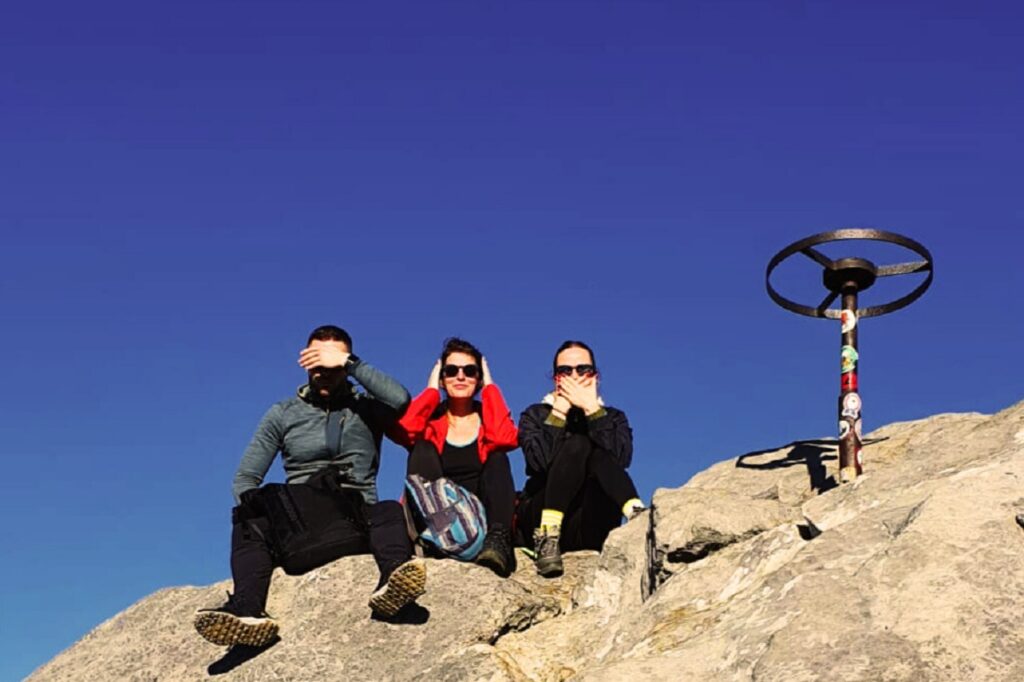
There’s a uniquely Balkan way of doing things, and let me warn you, it’s rarely neat or predictable. It’s messy, loud, emotional, full of contradictions, and always served with a generous dose of humor and sarcasm. That spirit lives in our everyday lives, and it will live here too, in every story I tell. Some of the situations you’ll read about might seem surreal, even made up. But trust me, they’re not. That’s just the way things are here. The line between the absurd and the ordinary is very thin, and we’ve all learned to dance on it.
Just so we’re clear: I’m not here to compete with all the foreign writers and bloggers who’ve shared their stories about this region. I’m not trying to ‘set the record straight’ or prove anyone wrong. And maybe you’re sitting there thinking, Okay, but what gives you the right to assume what you write will be any better? Honestly? It doesn’t need to be better. It just needs to be mine. And mine comes from a different place: from growing up here, from the small details that slip past unless you’ve lived them day in and day out. Outside perspectives matter, of course, but there are some things you only truly understand when they’ve shaped your everyday life.
Local voices are more important than ever. There are still countless stories that haven’t made it online. Entire places that remain invisible in the digital world. And plenty of outdated or overly romanticized narratives floating around, written with a tourist’s eye rather than a local heart.
So again, think of me as your cultural translator. Someone who’s here to add context, give nuance, and show you the texture of real Balkan life. Maybe by understanding our customs, food, drinks, and daily absurdities, you’ll start to understand us just a little better. Then again… we don’t always understand ourselves. So, good luck with that – and enjoy the chaos.
Curious About the Region? Let’s Connect and Share Stories
And if you ever need help navigating the region or organizing a trip, feel free to reach out. I’d be happy to share local insights, answer any questions, and hear your story, too – whether you’re planning a visit or just exploring from afar.