
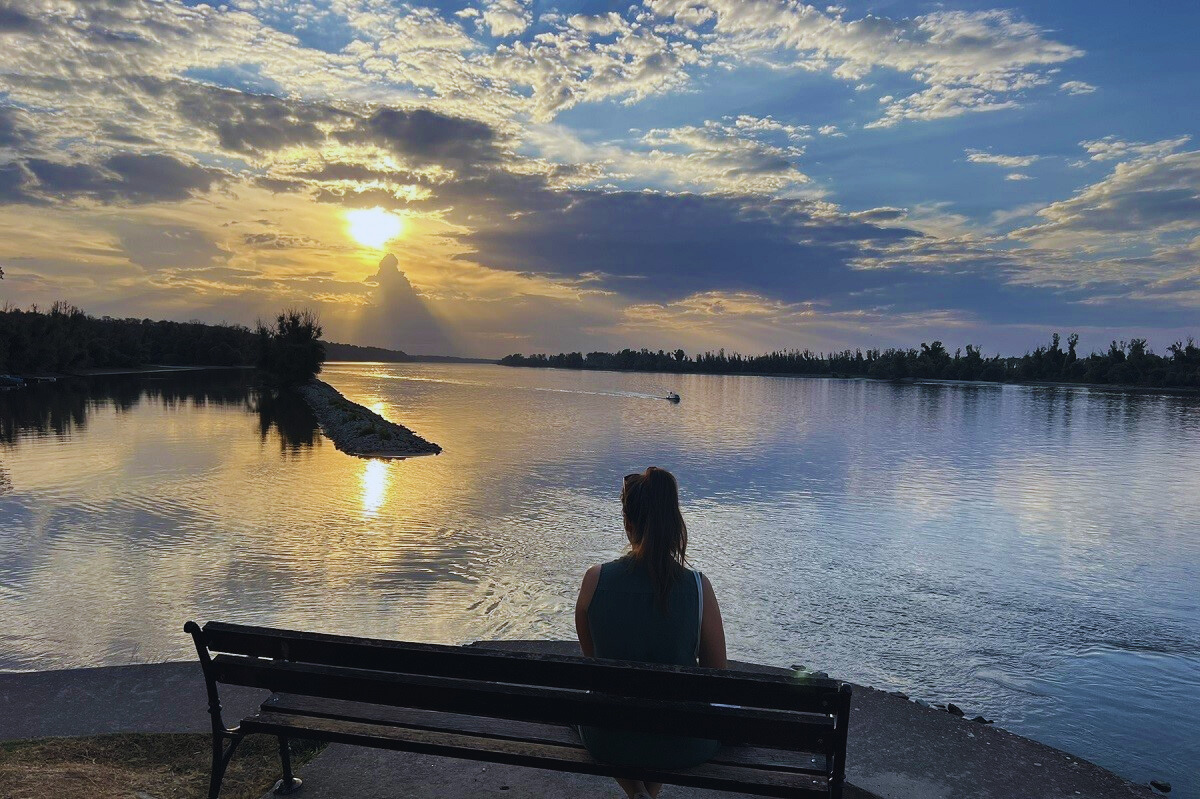
While in the West everything is sacrificed at the altar of usefulness and productivity, where even rest has to be “scheduled” and “optimized”, we in the East like to do things a bit differently. Our guiding philosophy is ćejf (pronounced “cheyf”), and yes, we even turned it into a verb: ćejfiti. That’s how serious we are about not taking things seriously. I’ll call a friend and ask, “What are you doing?” and if the reply is “ćejfim,” I know I called at the wrong time. That person is busy – busy being not busy.
There’s no real English equivalent for this word, which is already a sign that the concept might short-circuit the average overachiever’s brain. The closest translation might be: “the deep, soul-nourishing enjoyment of doing absolutely nothing productive whatsoever.” But even that doesn’t quite capture it.
Ćejf is sitting on your balcony with a tiny cup of strong coffee, not because you need caffeine, but because it’s a sacred ritual. It’s reading the newspaper slowly, not skimming headlines for stock updates, but flipping through every page like you’ve got all the time in the world (because you do). It’s watching the world pass by, judging people’s shoes, or having full-blown conversations with your neighbor about the weather, goats, or how tomatoes used to taste better.
Between Sips and Silences: The Rhythm of ćejf
Of course, this being the Balkans, there’s no single definition of ćejf. Everyone defines it for themselves and decides how to do it, because it’s a deeply personal ‘activity’ – though calling staring into oblivion an activity feels like cheating.
Some treat it as a sacred morning ritual, faithfully carried out at one of the countless local coffee bars – the kind of places where the waiter doesn’t ask what you’ll have; he just brings it, because he’s known your coffee order since you were twelve. Despite the familiarity, everyone knows everyone, conversation is minimal. There’s an unspoken agreement: we’re all here, we all exist, but let’s not talk about it just yet. People sit in quiet meditation, barely breathing, wrapped in sacred morning silence, holding newspapers not to read, but to hide behind. The entire scene looks like a coffee-scented still life. No one’s rushing. No one’s planning. It’s a collective moment of mental stretching before the day begins – an ancient practice of psychological warm-up, Balkan-style. Coffee in hand, newspaper in front, eyes half-open… and that’s exactly how it’s meant to be.
Others prefer to ćejfiti in the afternoon. If the morning ćejf is about silent preparation for the chaos of the day, the afternoon version is about recovering from having survived it. Nobody’s checking their emails. Nobody’s writing in planners or listening to productivity podcasts. Instead, they’re watching pigeons fight over breadcrumbs, arguing about soccer matches from three days ago, or just leaning back with that deep, philosophical look that says, “Don’t ask me what I’m thinking about, because I’m not.” And that’s the beauty of it.
Pleasure Without Purpose: Why ćejf Is the Pause We All Need
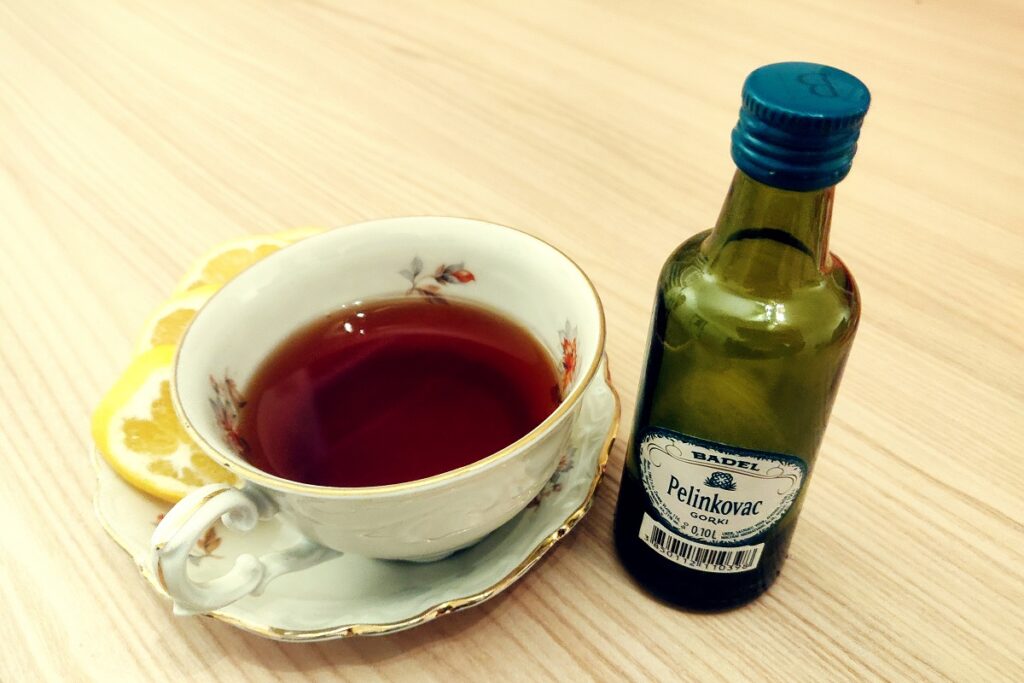
There’s no right or wrong way, or time, to practice ćejf, because it’s all about finding deep satisfaction in small, personal pleasures and rituals. Whether it’s the simple act of sipping your coffee slowly or sitting in silence while the world passes by, ćejf invites you to immerse yourself fully in the present moment. It’s a reminder that happiness doesn’t always come from big accomplishments or grand gestures – it’s often found in the everyday, quiet moments that allow you to reconnect with yourself.
Ćejf is more than just leisure; it’s a state of ultimate relaxation, a practice of embracing idle pleasure without guilt. It’s about slowing down, allowing yourself the space to breathe, to pause, and to enjoy the little things that make life worth living. It’s not about productivity or efficiency; it’s about being present, appreciating the simplicity of life, and taking the time to savor the world around you.
In the Balkans, ćejf offers insight into a culture that values personal contentment above hustle (maybe that explains our, let’s say, relaxed economic output?). It’s a way of life that celebrates the beauty of life’s simplest joys – whether that’s the warmth of a shared conversation, the feeling of the sun on your face, or the comfort of your favorite spot at the river bank. It’s the art of presence without pressure, of pleasure without purpose. And honestly? I think the world could use a lot more ćejf and a lot less hustle, because sometimes, doing nothing is exactly what we need.
Curious About ćejf, and Everything Around It?
If this glimpse into ćejf sparked your curiosity or made you wonder what life here really feels like, don’t hesitate to reach out – whether you’re simply intrigued or thinking of traveling to the region, I’d be glad to share more about its rhythms, rituals, and the quiet moments that make it so unique.