
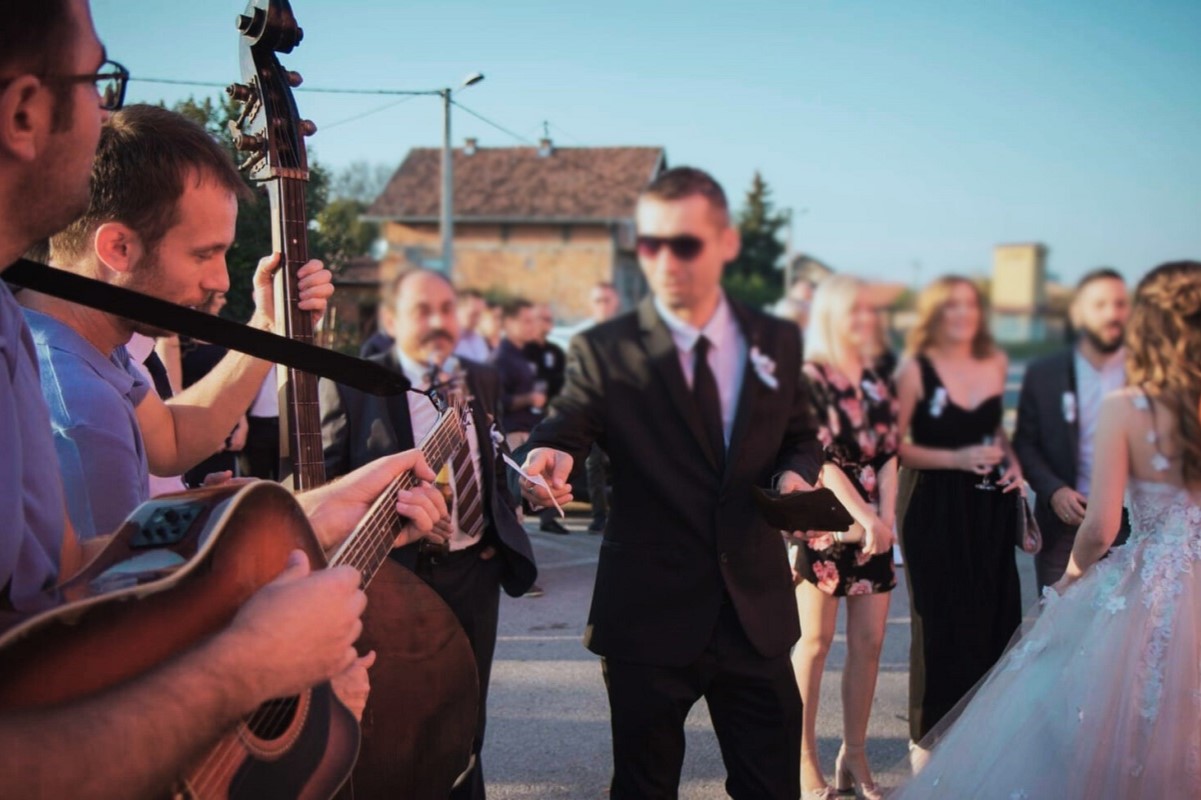
In the Balkans, family isn’t just about blood. Sometimes, it’s assigned. Sometimes, it’s chosen. And sometimes, it’s a little bit of both, wrapped in incense smoke, wedding toasts, and traditions that go way back. That’s kumstvo.
Kumstvo (pronounced “koom-stvo”) is one of those things that everyone here understands instinctively, even if they’d have a hard time explaining it to someone from the outside. It’s not just a role. Or a title. It’s… well, sacred. Like, cross-your-heart-and-never-break-it kind of sacred.
If you’ve never heard of it, let me try. A kum or kuma is someone you choose to stand by you during life’s big moments, like baptisms or weddings, and from that day on, they’re family. Not by blood, but by bond. It’s a way of saying, “You’re my person, for life.” That connection is sealed tighter than grandma’s pickle jars. Spiritual family. Chosen. Trusted. Permanent.
And you never say no.
You Don’t Say No to Kumstvo
Seriously. That’s a rule. “Kumstvo se ne odbija” means you don’t refuse kumstvo. If someone asks you to be their kum or kuma, you nod, you smile, maybe cry a little (or a lot), and say yes.
I’ve seen the “you don’t refuse” rule in action more times than I can count. My own father has been chosen as kum by so many of his friends over the years that I’ve completely lost track of all his “kumići” (which is what we call the kids he’s been a godfather to). The network is so wide and tangled, it’s honestly impossible to map. At some point, I stopped asking who’s who. It’s just accepted that there’s always another kumče somewhere in the picture.
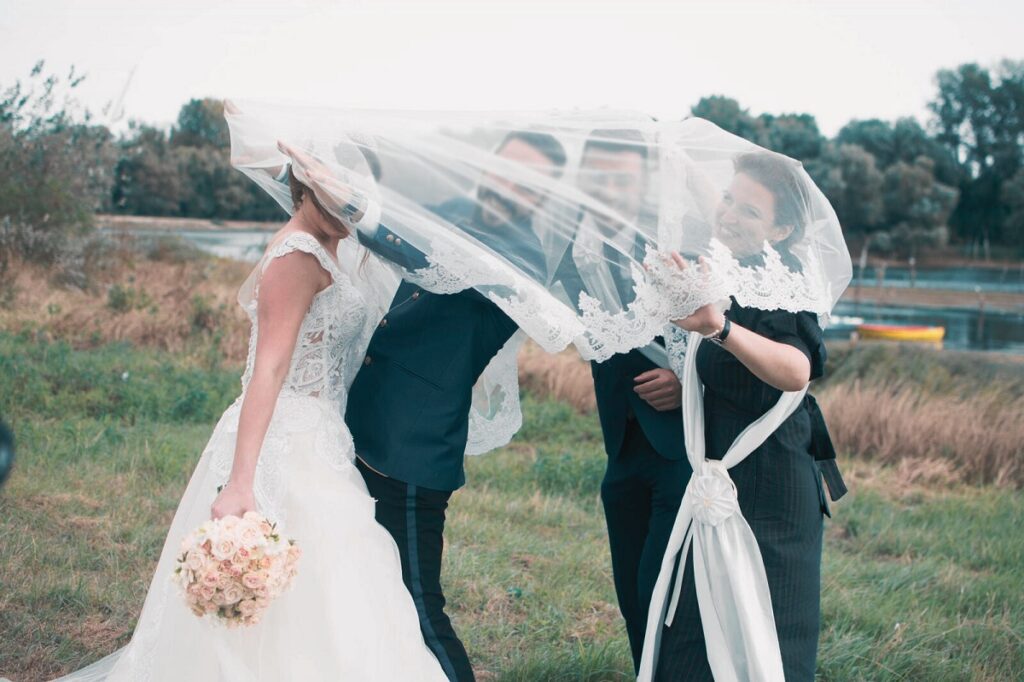
Some time ago, I was asked to be a kuma at a wedding, and of course I said yes. Saying no isn’t really an option, but even if it were, why would you? Around here, that kind of invitation means something. It’s not just an honor, it’s a declaration: “We’re family.” It’s not just a title for the day. It’s a lifelong role. Even now, years later, that one word still carries the same weight every time someone calls out, “our kuma.”
Chosen for Life: The Weight of Tradition
There’s a saying around here: “Bog na nebu, kum na zemlji” – God in heaven, kum on Earth. It’s not just a catchy phrase. It reflects how seriously this bond is taken. The kum holds a place of deep respect, second only to the divine. They’re not just a guest at life’s big moments. They’re right there beside you, trusted and honored, for life.
And of course, every microregion has its own take on kumstvo. Some families don’t allow kumovi to marry into each other because they’re considered spiritually related, and that would be, well, awkward. Others keep things more formal, with rituals, gift exchanges, and visits that follow a kind of choreography passed down like secret dance steps. There are even two families who have been each other’s kumovi for over 400 years. Now that’s commitment!
But no matter where you’re from or how the traditions play out, one thing stays the same: the bond. A kum shows up. For the weddings and christenings, of course, but also for the funerals, the hospital visits, and the heavy moments when just being there speaks louder than words. They’re part of your circle in both the bright and the quiet chapters. Maybe you don’t talk every day, but when something big happens, they’re the first call.
Sometimes, being a kum means nothing more than sitting together in silence, sipping coffee and letting the world slow down for a bit. It’s that quiet presence, that unspoken understanding, that makes it so uniquely Balkan. If you’ve ever experienced ćejf, the art of doing nothing and loving every second, you’ll know exactly what I mean.
It’s Not Just Tradition – It’s How We Stay Connected
So yeah, kumstvo is kind of a big deal. It’s not just a ceremonial handshake and a few fancy photos. It’s a lifelong backstage pass to someone’s most important moments. You get a front-row seat at the celebrations, a quiet chair at the hard stuff, and probably more than a few plates of sarma along the way. It’s messy, beautiful, sometimes hilariously complicated, and always worth it. Around here, being someone’s kum or kuma means you’re officially part of the chaos, the comfort, and the coffee breaks. And honestly? That’s what makes kumstvo so special. You don’t have to grow up with it to appreciate it. Just knowing these kinds of bonds exist, chosen and trusted and lasting, is a reminder that family can be bigger than we think.
Curious about more Balkan bonds, quirks, or traditions? I’m always up for a chat – especially if coffee’s involved. Whether you’re planning a visit or just want to dive deeper into what makes this place so special, don’t hesitate to reach out.